
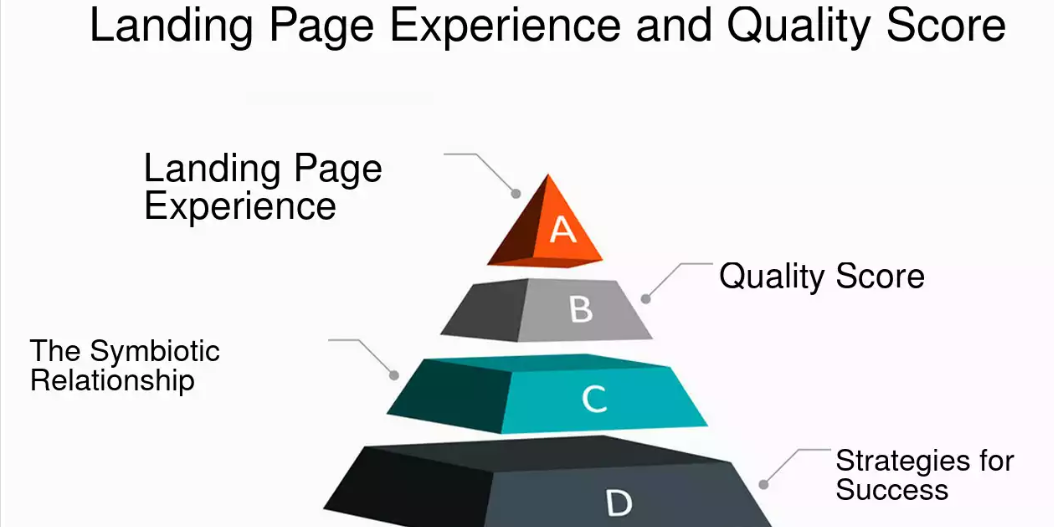
The Role of Landing Page Experience in Quality Score
In the world of pay-per-click (PPC) advertising, Google Ads Quality Score is more than just a number; it’s a performance indicator that directly impacts how much you pay per click and where your ads show up. While many marketers obsess over ad copy and keywords, one crucial factor is often overlooked: landing page experience.
If you’re not optimizing your landing pages, you’re not just hurting your conversions you’re also wasting budget and sacrificing ad placement.
In this post, we’ll break down why landing page experience matters, how it affects Quality Score, and what you can do to improve it.
What Is Quality Score?
Google’s Quality Score is a diagnostic tool that rates the quality and relevance of your ads, keywords, and landing pages on a scale from 1 to 10. It’s based on three core components:
-
Expected Click-Through Rate (CTR)
-
Ad Relevance
-
Landing Page Experience
Each of these factors contributes to how well your ads perform in the auction, and ultimately, how much you pay.
What Is “Landing Page Experience”?
According to Google, landing page experience refers to how relevant and useful your landing page is to people who click your ad. It evaluates the content, usability, and transparency of the page.
In short, your landing page needs to:
-
Deliver on the promise made in your ad
-
Load quickly and work on all devices
-
Be easy to navigate
-
Provide clear, valuable content
If your landing page is misleading, slow, or cluttered, your Quality Score and your ROI will suffer.
How Landing Page Experience Impacts Quality Score
A poor landing page experience leads to a lower Quality Score, which means:
-
Higher cost-per-click (CPC)
-
Lower ad position
-
Reduced impression share
A good experience, on the other hand, earns you:
-
Lower CPCs for the same keywords
-
Better ad rankings
-
Higher conversion rates
Google wants users to have a seamless experience from search to conversion, and they reward advertisers who prioritize this.
✅ How to Improve Landing Page Experience
Let’s break it down into actionable steps:
1. Ensure Relevance
Make sure the content on your landing page matches the ad. If your ad promotes “50% off hiking boots,” the page should immediately show that offer.
Tips:
-
Mirror your ad’s headline and keywords on the landing page
-
Use consistent messaging and imagery
-
Keep the content tightly focused on the user’s intent
2. Improve Page Load Speed
A slow site frustrates users—and Google notices.
Tips:
-
Compress images and remove unnecessary scripts
-
Use tools like Google PageSpeed Insights or GTmetrix
-
Consider using a CDN (Content Delivery Network)
3. Optimize for Mobile
Over half of web traffic comes from mobile devices. If your landing page isn’t responsive, you’re losing leads and hurting your Quality Score.
Tips:
-
Use mobile-friendly layouts
-
Prioritize thumb-friendly CTA buttons
-
Test across multiple devices
4. Enhance Usability
Visitors should know exactly what to do and how to do it.
Tips:
-
Keep the layout clean and focused
-
Use bullet points and short paragraphs
-
Place clear CTAs above the fold
5. Build Trust
Google values transparency and user trust.
Tips:
-
Include contact info, privacy policies, and terms of service
-
Avoid pop-ups or deceptive practices
-
Display customer testimonials, reviews, or trust badges
6. Use Relevant and Original Content
Avoid duplicate or thin content. Google rewards originality and usefulness.
Tips:
-
Provide detailed product/service descriptions
-
Offer FAQs, demo videos, or comparison charts
-
Include internal links to relevant pages
Measuring Your Landing Page Experience
Google doesn’t give a numeric breakdown of landing page experience, but you can track improvements through:
-
Quality Score diagnostics (inside Google Ads)
-
Bounce rate and time on site (via Google Analytics)
-
Conversion rate changes after page tweaks
-
Heatmaps or session recordings (Hotjar, Crazy Egg)
Final Thoughts
Landing page experience isn’t just about aesthetics, it’s about relevance, performance, and usability. It plays a crucial role in your Quality Score, your ad rank, and your campaign profitability.
By delivering a better landing experience, you’re not only making Google happy, you’re also guiding your visitors toward action and creating a smoother, more trustworthy brand experience.


