

Using Topic Clusters to Boost Topical Authority
In a world where SEO is becoming more about authority and relevance than isolated keywords, topic clusters are one of the most powerful strategies in your content marketing arsenal. Not only do they improve search engine rankings, but they also help you build credibility and trust with both users and Google.
If you’re not using topic clusters yet, you’re missing a big opportunity to organize your content and boost your topical authority. Here’s how to make it work.
🧠 What Are Topic Clusters?
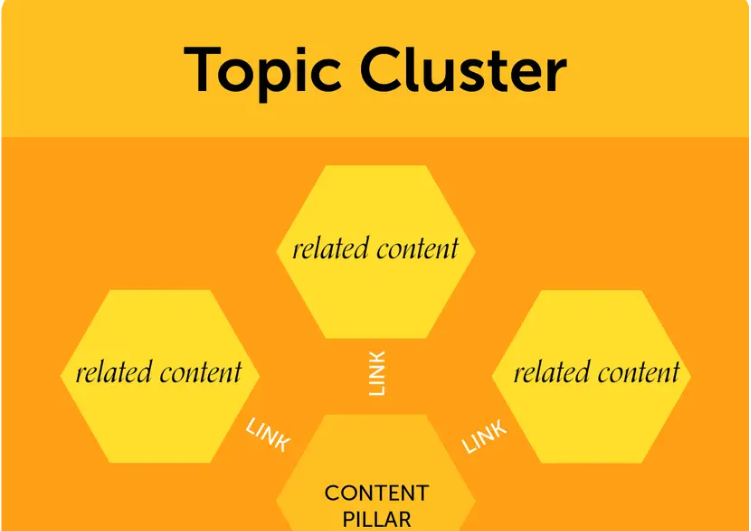
A topic cluster is a group of interlinked pages that focus on a central subject (known as the pillar page) and several related subtopics (the cluster content).
Instead of writing dozens of standalone blog posts, you’re creating a structured content ecosystem where each page supports and enhances the others.
Example:
-
Pillar page: “The Ultimate Guide to Content Marketing”
-
Cluster posts:
-
“How to Create a Content Calendar”
-
“Best Content Marketing Tools in 2025”
-
“B2B vs. B2C Content Strategies”
-
“Content Marketing KPIs to Track”
-
Each cluster post links back to the pillar page and vice versa—creating a network of authority around one central theme.
🔍 Why Topic Clusters Matter for SEO
Search engines like Google now evaluate your site based on topical depth and semantic relevance, not just keyword usage. Topic clusters signal that:
-
You are an authority on the subject.
-
Your content is comprehensive and user-focused.
-
Users are more likely to find related, valuable content on your site.
This improves:
-
Crawlability (easier for Google to understand your site)
-
Dwell time (users stay longer exploring related content)
-
Keyword rankings across a broader set of related terms
🛠️ How to Build Topic Clusters (Step-by-Step)
1. Choose a Core Topic
Start with a broad, evergreen topic that aligns with your business goals and audience intent.
Examples:
-
“Email Marketing”
-
“Remote Work Tools”
-
“Sustainable Fashion”
This becomes your pillar page, targeting a high-level keyword.
2. Conduct Keyword & Intent Research
Use tools like:
-
Google Keyword Planner
-
Ahrefs
-
SEMrush
-
AlsoAsked
-
AnswerThePublic
Find long-tail and question-based keywords that support the main topic. These become your cluster content.
3. Map Out Your Cluster Content
Create a content map around your pillar page with supporting blog posts. Aim for 10–20 related articles per pillar to establish real authority.
For “Email Marketing”:
-
How to Write High-Converting Email Subject Lines
-
Email Marketing Automation: Best Practices
-
Email Segmentation Strategies for Better Engagement
-
Email Deliverability: What Marketers Must Know
4. Create the Pillar Page
This should be a comprehensive, authoritative guide—often 2,000+ words—with:
-
Definitions
-
Strategy
-
Tools
-
Best practices
-
Internal links to each cluster post
It should be the go-to resource for anyone searching that topic.
5. Interlink Everything
Use strategic internal linking:
-
Cluster pages link back to the pillar page using contextual anchor text.
-
Pillar page links out to each cluster page.
This helps distribute link equity and tells Google these pages are part of the same content hub.
6. Keep It Updated
Revisit both your pillar and cluster content quarterly:
-
Refresh stats and examples
-
Add new subtopics
-
Update internal links if needed
This keeps your content fresh and competitive.
📈 How Topic Clusters Boost Topical Authority
When done right, topic clusters help you:
-
Dominate a niche or subject area
-
Rank for dozens of keywords instead of one
-
Attract more backlinks naturally
-
Increase page views and time on site
Google’s E-E-A-T (Experience, Expertise, Authoritativeness, Trust) guidelines favor sites that show deep knowledge in a subject—topic clusters make that possible.
✅ Bonus Tips for Success
-
Use clear URL structures:
/content-marketing/strategy-vs-tactics -
Add breadcrumb navigation to show hierarchy
-
Optimize for semantic search (include related terms and questions)
-
Don’t forget calls to action (CTAs) in each post to drive leads or next steps
🧠 Final Thoughts
Topic clusters aren’t just an SEO trick—they’re a smarter way to create, organize, and scale content. By shifting your approach from siloed articles to cohesive clusters, you build not only rankings but also authority, trust, and engagement.
If your content strategy feels scattered or your SEO growth has stalled, building topic clusters might be the turning point.


