

Setting SMART Goals for Social Media Success
If you’re posting on social media without clear goals, you’re not marketing, you’re just hoping. To turn your efforts into real results, you need a plan. And that starts with SMART goals.
Whether you’re a solo entrepreneur managing your own Instagram or a marketer running multi-channel campaigns, SMART goals give you a roadmap to success.
Here’s how to set SMART goals for social media that are Specific, Measurable, Achievable, Relevant, and Time-bound, and how to hit them.
🎯 What Are SMART Goals?
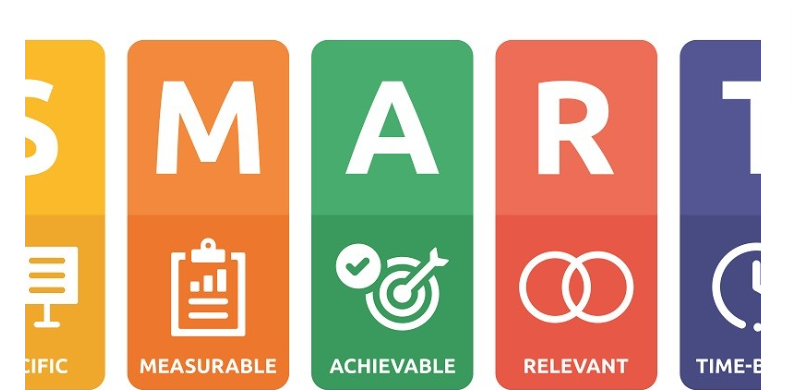
SMART is an acronym that helps you set focused and actionable goals:
-
Specific: Clearly define what you want to achieve
-
Measurable: Quantify your goal so you can track progress
-
Achievable: Set a realistic and attainable target
-
Relevant: Align the goal with broader business objectives
-
Time-bound: Set a deadline to create urgency and accountability
Let’s break each one down — and apply it to real social media scenarios.
✅ 1. Specific
Bad goal: “I want to grow my Instagram.”
SMART version: “I want to grow my Instagram follower count by 500 targeted users interested in sustainable fashion.”
Why it matters: Vague goals lack direction. Specificity gives you clarity on what success looks like.
📊 2. Measurable
Bad goal: “Increase engagement.”
SMART version: “Increase Instagram post engagement rate from 2% to 4% in the next 30 days.”
Why it matters: If you can’t measure it, you can’t manage it. Tracking metrics like followers, impressions, clicks, or engagement rates helps you stay on course.
🏗️ 3. Achievable
Bad goal: “Go viral on TikTok next week.”
SMART version: “Reach 50,000 views on TikTok over the next 60 days through 4 weekly posts and strategic hashtag use.”
Why it matters: Ambitious is good, unrealistic is not. Consider your resources, audience size, and current momentum when setting goals.
🎯 4. Relevant
Bad goal: “Get 1,000 likes on a post.”
SMART version: “Drive 100 qualified leads from Facebook ads to my product landing page this month.”
Why it matters: Your goals should support your broader marketing or business objectives. Vanity metrics are meaningless unless they contribute to real outcomes — like conversions or customer engagement.
⏰ 5. Time-Bound
Bad goal: “Increase LinkedIn followers.”
SMART version: “Increase LinkedIn followers by 20% in the next 90 days through weekly thought-leadership posts and employee shares.”
Why it matters: Deadlines drive action. Time constraints add urgency and help you evaluate success or pivot if needed.
🧠 Putting It All Together: SMART Goal Examples
-
Goal #1: “Grow our TikTok account to 5,000 followers in 90 days by posting 3 videos a week focused on trending audio and educational content.”
-
Goal #2: “Increase Instagram story click-throughs to our website by 25% over the next 60 days using weekly product teasers and link stickers.”
-
Goal #3: “Generate 200 new email signups through Facebook Lead Ads by the end of this quarter.”
Each goal is clear, trackable, and tied to a business outcome.
📌 Tips for Achieving Your SMART Goals
-
Track Progress Weekly: Use tools like Meta Business Suite, Buffer, Sprout Social, or native platform analytics.
-
Adjust When Needed: If a tactic isn’t working, pivot. Goals should be firm, but your approach can flex.
-
Celebrate Wins: Hit your target? Celebrate and share it with your team or audience!
-
Build on Momentum: Use your learnings from each goal to create stronger ones in the future.
🚀 Final Thoughts
Setting SMART goals turns your social media from a guessing game into a strategic growth engine. It gives you clarity, focus, and a framework to evaluate what’s working.


