

A/B Testing: What You Should Be Testing in Your Campaigns
If you’re not A/B testing your campaigns, you’re leaving valuable insights and conversions on the table.
A/B testing (or split testing) is one of the most effective ways to optimize your email marketing. It’s not about guessing what works, it’s about knowing.
In this post, we’ll cover:
-
What A/B testing is (and isn’t)
-
Why it matters for email marketing
-
The most important elements to test
-
Best practices for getting reliable results
Let’s dive into how to make your emails smarter, not just prettier.
📬 What Is A/B Testing in Email Marketing?
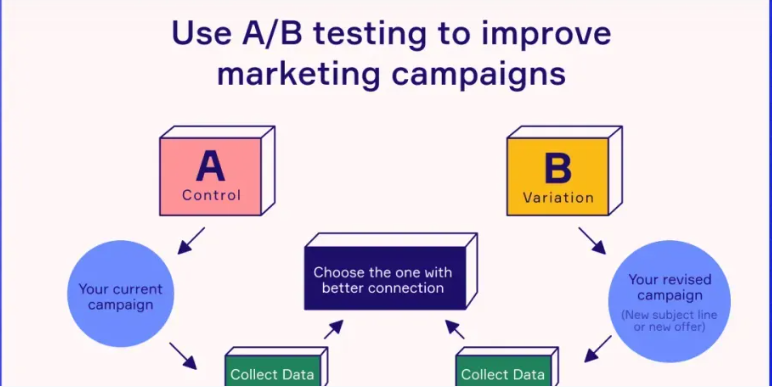
A/B testing is when you send two (or more) versions of an email to a sample of your audience to see which one performs better.
Typically, you test one variable at a time — like a subject line or CTA — and then send the winning version to the rest of your list.
Example:
-
Version A: Subject line = “Your free guide is inside”
-
Version B: Subject line = “Unlock your exclusive email strategy guide”
Whichever version gets more opens wins.
💡 Why Should You A/B Test Your Emails?
-
📈 Improve open and click-through rates
-
💬 Learn what your audience responds to
-
🎯 Reduce guesswork in future campaigns
-
💰 Increase ROI over time
-
⏱ Save time by investing in what works
Every test brings you closer to sending emails your audience actually wants.
🔍 What You Should Be A/B Testing
Not sure what to test? Here are the highest-impact elements:
1. Subject Lines
This is often the first — and only — thing subscribers see.
Test for:
-
Length (short vs. long)
-
Tone (casual vs. formal)
-
Personalization (“Hey John” vs. generic)
-
Curiosity vs. clarity
Goal: Increase open rates
2. Preheader Text
That little line of preview text can do a lot of heavy lifting.
Test for:
-
Supporting vs. repeating the subject line
-
Using emojis or not
-
Adding urgency or teasing content
Goal: Increase open rates
3. Email Design/Layout
How your email looks can affect how people engage.
Test:
-
Single-column vs. multi-column
-
Button color or size
-
Image placement
-
Responsive/mobile layout
Goal: Improve readability and clicks
4. Call-to-Action (CTA)
Your CTA is the “what now?” of your email.
Test:
-
Button vs. text link
-
Different button copy (“Shop Now” vs. “Grab Yours”)
-
CTA placement (top, middle, or bottom)
-
Number of CTAs (1 vs. multiple)
Goal: Increase click-through rates
5. Send Times and Days
Timing can have a big impact on engagement.
Test:
-
Morning vs. afternoon
-
Weekday vs. weekend
-
Same day across time zones
Goal: Find your list’s “sweet spot” for open rates
6. Personalization Elements
Go beyond first name. Test:
-
Personalized product recommendations
-
Dynamic content by location or behavior
-
Custom offers based on past activity
Goal: Increase relevance and conversions
7. Content Length & Format
Does your audience prefer quick bites or long-form content?
Test:
-
Short vs. detailed copy
-
Plain text vs. HTML email
-
Bulleted lists vs. paragraphs
Goal: Improve engagement and time spent reading
🧠 A/B Testing Best Practices
✅ Test One Variable at a Time
Don’t change everything at once — you won’t know what made the difference.
✅ Segment Your Audience
Use a portion of your list for testing (usually 10-30%). Then send the winner to the rest.
✅ Set Clear Goals
Are you testing for opens, clicks, conversions, or replies? Know what success looks like before you start.
✅ Let It Run Long Enough
Don’t rush. Give your test 24–72 hours (depending on your audience size) to gather enough data.
✅ Trust the Data
Even if the winning version isn’t your favorite, the numbers don’t lie.
🧪 Real-World A/B Test Ideas
| Test Element | Version A | Version B |
|---|---|---|
| Subject Line | “You’re Invited!” | “🎉 Don’t Miss This Event” |
| CTA Button | “Learn More” | “Get the Guide” |
| Email Layout | Image-heavy | Minimalist |
| Send Time | Tues 10 AM | Thurs 3 PM |
| Copy Length | 100 words | 300 words |
🏁 Final Thoughts: Test, Learn, Repeat
The best email marketers aren’t just creative — they’re curious. A/B testing helps you move from “I think this will work” to “I know this works.”
And remember: what worked yesterday may not work tomorrow. Keep testing. Keep learning. Keep optimizing.


