
A/B Testing in PPC: What to Test and Why It Matters
In the world of pay-per-click (PPC) advertising, making data-driven decisions isn’t just smart, it’s essential. That’s where A/B testing (also known as split testing) comes in. Whether you’re trying to improve click-through rates (CTR), reduce cost-per-click (CPC), or drive more conversions, A/B testing is one of the most effective ways to continuously optimize and scale your campaigns.
In this post, we’ll break down what A/B testing in PPC is, what you should test, and why it plays such a critical role in your advertising success.
What Is A/B Testing in PPC?
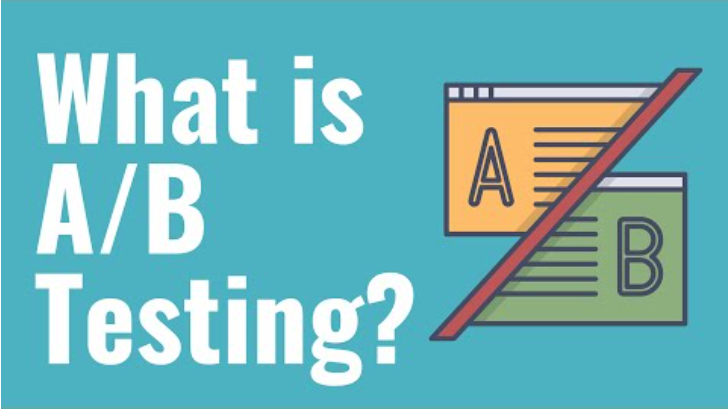
A/B testing is the process of comparing two (or more) variations of an ad element to determine which one performs better. This controlled testing method helps eliminate guesswork, allowing you to make informed decisions based on actual user behavior.
In PPC, you can run A/B tests on nearly every component of your campaigns, from ad copy and images to landing pages and audience targeting.
What You Should Be Testing
1. Ad Headlines
Your headline is often the first thing a user notices. Try variations that:
-
Pose a question vs. make a bold statement
-
Highlight a benefit vs. a feature
-
Include keywords vs. emotional triggers
Why it matters: A small tweak in your headline can significantly boost CTR and Quality Score.
2. Display URLs
Test subtle variations in your display URL structure:
-
/free-trialvs./pricing -
/servicesvs./solutions
Why it matters: Even though it doesn’t affect the actual destination, it influences user perception and can improve CTR.
3. Ad Descriptions
Play with tone, formatting, and calls-to-action (CTAs):
-
“Sign up today” vs. “Get started free”
-
Lists vs. short sentences
-
Emphasis on pain points vs. benefits
Why it matters: This is your opportunity to sell—stronger messaging can directly impact conversion rates.
4. Call-to-Action (CTA) Buttons
On landing pages, test:
-
Button color and placement
-
CTA language (e.g., “Download Now” vs. “Start Free Trial”)
Why it matters: Your CTA is the final push. Optimizing it can make or break conversions.
5. Visual Elements (for Display and Social Ads)
Try different:
-
Images or videos
-
Graphic styles (real-life photos vs. illustrations)
-
Background colors or overlays
Why it matters: Visuals heavily influence engagement, especially on social platforms like Meta or TikTok.
6. Landing Page Variants
Test:
-
Headlines and copy
-
Form length and field order
-
Trust signals (e.g., testimonials, badges)
Why it matters: Your ad might be great, but if your landing page isn’t converting, the campaign fails.
7. Audience Segments
Experiment with:
-
Age groups
-
Interests or affinities
-
Custom intent audiences
Why it matters: Your ideal audience may not be who you initially expected. Testing different segments reveals the best converters.
Why A/B Testing in PPC Matters
-
Improves ROI: Better-performing ads reduce wasted spend.
-
Drives continuous improvement: PPC isn’t set-it-and-forget-it. A/B testing creates a feedback loop.
-
Informs other channels: Learnings from PPC tests can apply to email, organic content, or even sales scripts.
-
Reduces decision bias: What “looks good” isn’t always what performs well. Let the data decide.
A/B Testing Best Practices
-
Test one variable at a time: This ensures you know exactly what change made the difference.
-
Run tests long enough: Wait for statistical significance. Don’t stop after a day or two.
-
Segment your data: Analyze by device, audience, or geography for deeper insights.
-
Keep learning: Even “losing” tests give valuable insights.
Tools to Run A/B Tests
-
Google Ads Experiments: For testing different versions of search and display ads.
-
Meta A/B Testing Tool: Great for creative, audience, and placement tests.
-
Unbounce, Instapage, or Leadpages: Run landing page split tests without a dev team.
-
Google Optimize (sunsetting, but alternatives like VWO or Optimizely are great replacements)
Final Thoughts
A/B testing in PPC isn’t just for advanced marketers—it’s for anyone who wants better results and smarter spend. Whether you’re working with $500 or $50,000 per month, testing is your best path to scalable, high-performing campaigns.


