
Understanding Your Audience: How to Create Detailed Buyer Personas
In digital marketing, success doesn’t come from shouting louder it comes from speaking directly to the right people in the right way. To do that, you must first understand your audience.
Enter the buyer persona a powerful tool that helps you define who your ideal customer is, what they care about, and how you can meet their needs.
In this guide, we’ll walk you through what a buyer persona is, why it matters, and how to create one that fuels better content, campaigns, and conversions.
What Is a Buyer Persona?
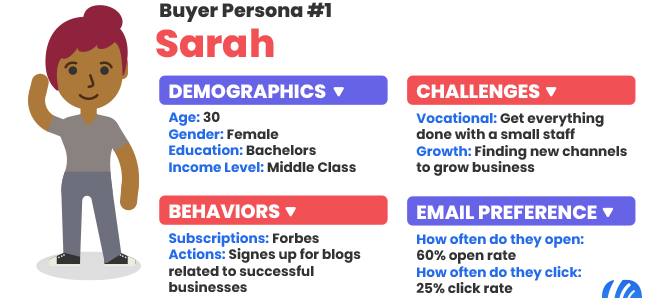
A buyer persona (also called a customer avatar) is a semi-fictional profile that represents your ideal customer based on real data, behaviors, and market research.
It includes details like:
-
Age, gender, and location
-
Occupation and income level
-
Goals and pain points
-
Buying behaviors and preferences
-
Values, motivations, and challenges
Think of it as a character sketch that brings your audience to life.
Why Buyer Personas Matter
You might be thinking, “I already know my audience.” But assumptions can lead to generic messaging that misses the mark.
With a buyer persona, you can:
-
Create more targeted and engaging content
-
Improve ad targeting and ROI
-
Personalize emails and offers
-
Design products and services that solve real problems
-
Align your sales and marketing teams around a common understanding of your audience
Bottom line: Personas help you market smarter—not harder.
Step-by-Step: How to Create a Detailed Buyer Persona
Step 1: Gather Real Customer Data
Start by digging into data you already have:
-
Website analytics (Google Analytics, Hotjar)
-
Social media insights
-
CRM data and email reports
-
Customer surveys and interviews
-
Sales team feedback
Look for patterns: who are your best customers? What do they have in common?
Step 2: Identify Key Demographics
Outline the basics:
-
Name (give each persona a name like Marketing Mary or Startup Sam)
-
Age range
-
Gender
-
Location
-
Marital status
-
Education level
-
Job title and industry
-
Income level
Step 3: Understand Their Goals and Challenges
Dig deeper into what drives them:
-
What are their personal or professional goals?
-
What challenges do they face in reaching those goals?
-
How can your product or service help them succeed?
Example:
Marketing Mary wants to grow her brand’s social media presence but struggles with creating consistent, engaging content.
Step 4: Explore Their Online Behavior
Understand how they behave online:
-
Which social platforms do they use?
-
Do they read blogs or watch videos?
-
Do they prefer email, chat, or social DMs?
-
What keywords or topics do they search for?
This insight helps you meet them where they are—and speak their language.
Step 5: Define Their Buying Behavior
-
What influences their purchase decisions?
-
Are they price-sensitive or quality-focused?
-
Do they need social proof or peer recommendations?
-
How long is their buying cycle?
Use this to tailor your sales funnel and messaging strategy.
Step 6: Create the Persona Profile
Put it all together into a clear, concise document. Here’s a simple example:
Buyer Persona Example: Freelance Fiona
-
Age: 29
-
Location: Lagos, Nigeria
-
Occupation: Freelance graphic designer
-
Goals: Attract more high-paying clients, build a personal brand
-
Challenges: Limited time for marketing, unsure how to use SEO
-
Preferred Platforms: Instagram, LinkedIn, YouTube
-
Buying Behavior: Researches heavily before buying, values testimonials and peer reviews
-
Motivation: Freedom, creative growth, financial independence
Pro Tips for Better Buyer Personas
-
Don’t guess—base personas on data whenever possible
-
Create 2–4 personas to cover your core segments
-
Revisit and update your personas every 6–12 months
-
Involve your sales, support, and customer success teams for deeper insights
-
Use personas to guide everything from ad copy to blog topics
Final Thoughts
A detailed buyer persona is more than just a marketing tool—it’s a strategic asset that keeps your messaging relevant and your efforts aligned with what your audience actually wants.
The better you understand your audience, the more effective (and profitable) your marketing becomes.


