
Amazon Sponsored Ads: PPC for E-commerce Brands
In the fiercely competitive world of e-commerce, visibility is everything. And on Amazon, the world’s largest online marketplace, winning visibility often means mastering Sponsored Ads, Amazon’s version of pay-per-click (PPC) advertising.
If you’re an e-commerce brand looking to grow sales, dominate search results, and claim your share of the Buy Box, Amazon Sponsored Ads should be central to your PPC strategy. Here’s how they work, why they matter, and how to make the most of them.
What Are Amazon Sponsored Ads?
Amazon Sponsored Ads are PPC ads that appear across the Amazon ecosystem, helping sellers promote products directly in search results, on product pages, and more.
There are three main types:
-
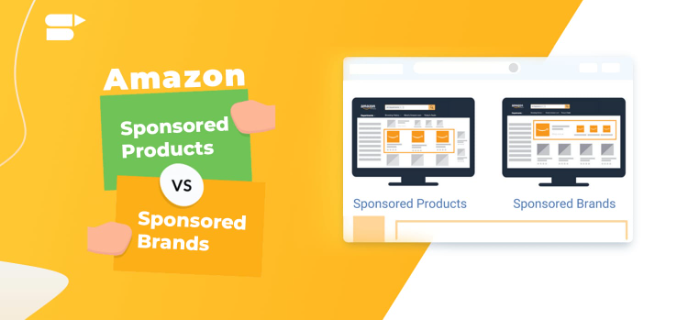
Sponsored Products – Appear in search results and product pages; these promote individual listings.
-
Sponsored Brands – Feature your brand logo, a custom headline, and multiple products.
-
Sponsored Display – Show your products to shoppers on Amazon and beyond (retargeting included).
You pay only when someone clicks, not when your ad is shown. The goal? Appear when buyers are in purchase mode.
Why Amazon PPC Matters for E-Commerce Brands
Unlike social or search platforms, Amazon users are already deep in the buying journey. That makes ad traffic more qualified, more purchase-ready, and more valuable.
Benefits of Amazon PPC include:
-
Increased visibility in search results
-
Boosted chances of winning the Buy Box
-
Direct access to high-intent shoppers
-
Actionable performance data tied directly to sales
In short: if you’re not using Sponsored Ads, you’re missing out on sales to competitors who are.
A Closer Look at the Ad Types
1. Sponsored Products
These are the most commonly used and easiest to get started with.
Where they appear: Top of search results, within listings, and related product pages.
Why use them: They blend in seamlessly with organic results, which helps increase click-through and conversion rates.
Best practices:
-
Start with automatic targeting, then optimize with manual targeting based on performance data.
-
Focus on high-converting keywords, not just high-volume ones.
-
Optimize product listings (images, bullet points, reviews) to support conversion once clicked.
2. Sponsored Brands
These ads allow you to promote your brand and a collection of products. You get space for a logo, a custom headline, and multiple product listings.
Where they appear: Above search results.
Why use them: Great for brand visibility, cross-selling, and showcasing multiple SKUs.
Best practices:
-
Write compelling headlines that highlight a unique selling point.
-
Use Storefront landing pages to maintain a branded experience.
-
Showcase best-sellers or complementary products together.
3. Sponsored Display
These enable you to retarget shoppers on and off Amazon — even on external websites.
Where they appear: Amazon home page, product pages, third-party sites.
Why use them: Perfect for retargeting, cross-selling, and increasing repeat purchases.
Best practices:
-
Use it to re-engage window shoppers who didn’t convert.
-
Run defensive campaigns to keep your brand visible on your listings.
-
Consider product targeting to place ads on competitor product pages.
How to Set Up a Winning Amazon PPC Campaign
-
Research keywords – Use Amazon’s keyword planner, Helium 10, or Jungle Scout.
-
Structure your campaigns – Separate branded, competitor, and generic keywords.
-
Use automatic targeting to uncover high-performing keywords.
-
Switch to manual targeting with refined match types (broad, phrase, exact).
-
Monitor performance – Track metrics like ACoS (Advertising Cost of Sales), CTR, and conversion rate.
-
Optimize and iterate – Adjust bids, pause underperforming keywords, and test new creatives.
Ideal ACoS varies, but for most brands, keeping it below 25–30% is a healthy benchmark.
Key Metrics to Watch
-
ACoS (Advertising Cost of Sales) – Total ad spend / attributed sales. Lower is better.
-
TACoS (Total Advertising Cost of Sales) – Ad spend / total sales (including organic). Helps see big-picture ROI.
-
CTR (Click-Through Rate) – How compelling your ad is.
-
Conversion Rate – How effectively your listing turns clicks into customers.
-
Impressions – Useful for tracking visibility growth.
Final Thoughts: Own the Shelf, Not Just the Click
Amazon Sponsored Ads aren’t just about driving traffic, they’re about owning digital shelf space and meeting buyers at the exact moment they’re ready to purchase.
As competition increases and organic reach shrinks, PPC is no longer optional; it’s essential. Brands that treat Amazon PPC as a growth engine (not just a cost center) will lead in visibility, conversions, and long-term loyalty.


