

Using Social Proof to Increase Conversions: Reviews, UGC & Trust Badges
In an age of information overload and endless options, consumers don’t just want to trust your brand, they want proof that others do, too.
That’s where social proof comes in.
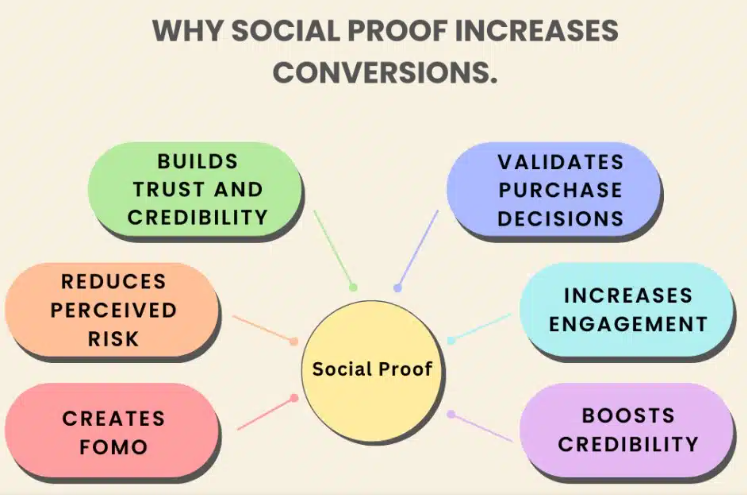
Social proof taps into our natural tendency to follow the crowd, whether it’s a glowing review, a user-generated Instagram post, or a certification badge on your checkout page. And in digital marketing, it’s one of the most powerful tools for boosting conversions.
Let’s break down the key types of social proof and how you can use them to build credibility and drive more sales.
📝 1. Customer Reviews & Ratings
Why they work: 93% of consumers say online reviews influence their purchasing decisions. A strong review strategy builds trust instantly.
Where to use them:
-
Product pages: Star ratings and short quotes
-
Homepage: Top-rated product highlights
-
Emails: “Customer favorites” sections
-
Paid ads: Use snippets of 5-star reviews as ad copy
Pro Tip: Don’t fear negative reviews—they show authenticity. Just make sure you respond thoughtfully and resolve issues.
📸 2. User-Generated Content (UGC)
Why it works: UGC is relatable and real. It showcases your product in action—on actual customers, not models.
How to use it:
-
Feature tagged Instagram posts on your product pages
-
Run hashtag campaigns to collect content from customers
-
Include real customer photos in email marketing
-
Use TikToks, Reels, or Stories in retargeting ads
Pro Tip: Tools like Loox, Yotpo, or Pixlee can help automate UGC collection and display.
✅ 3. Trust Badges & Certifications
Why they work: Trust badges (think SSL certificates, payment icons, money-back guarantees) remove hesitation, especially at checkout.
Where to place them:
-
Near the “Add to Cart” button
-
On the checkout page
-
In email footers or landing pages
-
Anywhere you’re asking for sensitive information
Pro Tip: Don’t overdo it. Too many badges can look spammy. Focus on the ones that actually matter to your customers (e.g., BBB accreditation, secure payment icons).
👥 4. Influencer & Expert Endorsements
Why they work: People trust authority figures. An endorsement from a well-known influencer or expert can legitimize your brand instantly.
How to leverage them:
-
Add testimonials with photos or videos
-
Share influencer unboxings or reviews
-
Highlight quotes in paid ads and landing pages
-
Use micro-influencers for niche credibility
Pro Tip: Always disclose partnerships transparently to maintain trust.
⏳ 5. Real-Time Social Proof (Urgency & Popularity Cues)
Why they work: These cues create FOMO (Fear of Missing Out), which encourages quick action.
Examples:
-
“5 people are viewing this item right now”
-
“Only 3 left in stock!”
-
“1,000 sold in the last 24 hours”
-
Live notifications like “Jane from NY just purchased”
Pro Tip: Use tools like Fomo, Nudgify, or Proof to automate these notifications across your site.
🧠 The Psychology Behind It
Social proof works because it taps into cognitive biases like:
-
Bandwagon effect: If others like it, it must be good.
-
Authority bias: We trust experts or influencers.
-
Fear of missing out: Scarcity drives urgency.
When combined strategically, these elements reduce friction, ease anxiety, and guide the customer toward conversion.
Final Thoughts: Show, Don’t Just Tell
You can say your product is great, but it means far more when others say it for you. Whether it’s a glowing 5-star review or a selfie of a happy customer using your product, social proof makes your marketing more trustworthy and human.
Start small:
-
Add reviews to every product page
-
Collect UGC with a branded hashtag
-
Display trust signals near your CTA


