
Understanding Your Audience: Building Effective Buyer Personas
When it comes to content marketing, guessing your way through your audience’s needs is a recipe for wasted time and missed opportunities. The best marketing strategies start with a deep understanding of who your audience is, what they care about, and how you can help them.
That’s where buyer personas come in.
In this post, you’ll learn what buyer personas are, why they matter, and how to build them to improve every piece of content you create.
What Is a Buyer Persona?
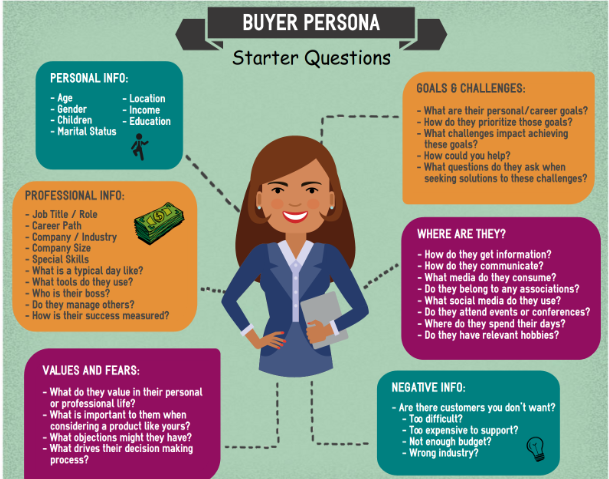
A buyer persona is a semi-fictional representation of your ideal customer based on research, real data, and insights. It captures details about their demographics, goals, pain points, buying behaviors, and more.
Think of it as a character profile that helps you market with empathy, relevance, and focus.
Example Persona:
-
Name: Busy Brenda
-
Age: 36
-
Occupation: Small business owner
-
Goals: Increase brand visibility and automate marketing
-
Pain Points: Not enough time, overwhelmed by tech
-
Preferred Channels: Instagram, email, podcasts
Why Buyer Personas Matter in Content Marketing
Creating buyer personas isn’t just a marketing exercise—it’s a powerful tool that impacts:
✅ Content relevance – You’ll know what topics, tone, and formats your audience prefers
✅ Engagement – Personalized content resonates more and keeps people coming back
✅ Conversions – Tailored messaging drives more action, whether it’s clicks, sign-ups, or purchases
✅ Efficiency – It helps your team stay aligned and focused on what matters
How to Build Effective Buyer Personas (Step-by-Step)
1. Gather Real Data
Start with what you already know about your customers and prospects.
Sources to explore:
-
Website & social media analytics
-
Customer surveys or interviews
-
CRM data and sales feedback
-
Support and FAQ logs
-
Online forums and reviews
🔍 Look for trends in behavior, preferences, and common questions.
2. Identify Key Information to Include
Your persona should include both demographics and psychographics.
Demographics:
-
Name (make one up)
-
Age range
-
Gender
-
Location
-
Job title or industry
-
Income level
Psychographics:
-
Challenges and pain points
-
Goals and motivations
-
Values and beliefs
-
Buying behaviors
-
Preferred content platforms
-
Objections to purchasing
🧠 Pro Tip: Don’t just ask what they buy—ask why they buy.
3. Segment Your Audience
Most businesses have more than one type of customer. Create 2–4 distinct personas to reflect your key audience segments.
👥 Examples:
-
Freelancer Felix – Needs affordable, flexible marketing tools
-
Manager Michelle – Wants scalable solutions for her growing team
-
DIY David – Loves doing things himself and learning as he goes
This helps you personalize content for each stage of the customer journey.
4. Give Your Persona a Name and Face: Building Effective Buyer Personas
It may seem cheesy, but naming your personas (and even giving them a stock photo) makes them feel real. Your team will find it easier to visualize and speak to them when planning campaigns.
Example:
Startup Steve – A 29-year-old tech founder who’s bootstrapping his SaaS company and reads blog posts on product-led growth during his morning coffee.
5. Use Personas in Your Content Strategy: Building Effective Buyer Personas
Once you’ve built your personas, apply them to:
-
Blog content and headlines
-
Email marketing and segmenting
-
Product positioning and CTAs
-
Social media tone and topics
-
Sales messaging and offers
Always ask: “Would this resonate with [Persona Name]?”
Free Template: Buyer Persona Worksheet
Want a plug-and-play template to build your personas faster? Ask and I’ll send you a free downloadable worksheet to guide your process!
Final Thoughts: Building Effective Buyer Personas
Understanding your audience isn’t optional—it’s the foundation of effective content marketing. With clear buyer personas, you stop guessing and start delivering the right message to the right people at the right time.


