
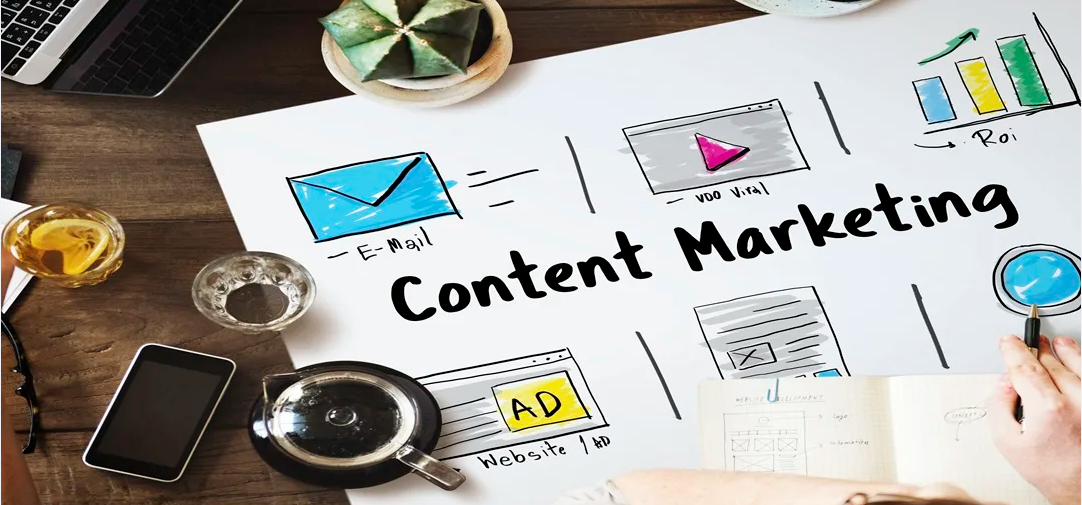
SEO for Content Marketers: Best Practices for 2025
Search engine optimization (SEO) is constantly evolving, and as a content marketer, keeping up with the latest trends and best practices is crucial to staying visible in an increasingly competitive digital landscape.
In 2025, SEO is more than just keywords and backlinks. It’s about user intent, content quality, AI integration, and technical performance. Whether you’re creating blog posts, videos, or product pages, your content must not only engage but also rank.
In this post, we’ll walk you through the top SEO best practices for content marketers in 2025, and how to apply them to create content that ranks and converts.
🔍 Why SEO Still Matters in 2025
Despite the rise of social media and AI-generated content, organic search still drives over 50% of website traffic. With the explosion of voice search, featured snippets, and zero-click results, content marketers must be more strategic than ever.
SEO isn’t just a technical discipline anymore—it’s deeply tied to content strategy, UX, and brand authority.
🚀 10 SEO Best Practices for Content Marketers in 2025
1. Focus on Search Intent, Not Just Keywords
Search engines have become smarter at interpreting user intent. In 2025, your content needs to answer the why behind the search query.
Tips:
-
Use tools like AlsoAsked, AnswerThePublic, or Google’s “People Also Ask” to understand intent.
-
Categorize queries as informational, navigational, commercial, or transactional.
-
Match your content format to intent—e.g., tutorials for “how to” queries, product comparisons for “best” searches.
2. Use AI-Assisted Keyword Research (but Don’t Overdo It)
AI tools can speed up research, but human oversight is still essential. Combine tools like Semrush, Ahrefs, or Surfer SEO with your own understanding of your audience.
Keyword tips for 2025:
-
Prioritize long-tail and semantic keywords.
-
Optimize for conversational and voice search.
-
Include question-based phrases in headings and subheadings.
3. Create Helpful, High-Quality, Original Content
Google’s Helpful Content Updates continue to crack down on fluff and AI-spam. Your content should be:
-
Expert-led
-
Well-researched
-
Up-to-date
-
Actionable
Always ask: Is this the best possible answer to the user’s question?
4. Use Structured Data & Schema Markup
Schema helps search engines understand your content better and can improve visibility through rich results, such as:
-
FAQs
-
Reviews
-
Event info
-
Video snippets
Use Schema.org markup or tools like Rank Math or Yoast SEO to implement it easily.
5. Optimize for Featured Snippets and Zero-Click Searches
More searches end without a click—thanks to Google displaying direct answers. Aim to win snippets by:
-
Using clear H2/H3 subheadings
-
Creating bullet points or step-by-step lists
-
Answering questions concisely (40–60 words)
6. Improve Page Experience and Core Web Vitals
Content needs to load fast, look great, and work on all devices. In 2025, Google still favors sites that:
-
Load in under 2.5 seconds
-
Use mobile-first design
-
Avoid intrusive pop-ups
-
Have secure HTTPS connections
Use tools like Google PageSpeed Insights, Lighthouse, or Web.dev to audit and improve.
7. Use Internal Linking Strategically
Smart internal linking improves crawlability, helps distribute authority, and keeps users engaged.
Best practices:
-
Link to related content naturally
-
Use keyword-rich anchor text (without stuffing)
-
Maintain a logical site structure
8. Refresh and Repurpose Old Content
Google loves fresh content. Updating outdated articles or turning blog posts into videos, infographics, or carousels can boost performance.
Steps:
-
Identify underperforming posts
-
Add new stats, insights, or visuals
-
Update headlines and meta descriptions
-
Promote again across channels
9. Leverage Video and Visual Content for SEO
In 2025, video is central to search. YouTube is the second-largest search engine—and videos often rank on page one of Google.
Tips:
-
Add transcriptions to videos for extra keywords
-
Use descriptive filenames, captions, and alt text
-
Embed videos in blog posts to reduce bounce rate
10. Measure, Analyze, and Adapt
SEO is not set-it-and-forget-it. Regularly track your performance using:
-
Google Search Console – for impressions, clicks, and indexing issues
-
Google Analytics 4 – for behavior and conversion tracking
-
SEO tools – for keyword rankings, backlink profiles, and technical audits
Use data to optimize what’s working—and fix what’s not.
🧠 Bonus Tip: Embrace EEAT Principles
EEAT (Experience, Expertise, Authoritativeness, Trustworthiness) matters more than ever.
Ways to build EEAT:
-
Include author bios with credentials
-
Cite credible sources
-
Get backlinks from reputable sites
-
Collect reviews and testimonials
-
Avoid clickbait and misinformation
📋 SEO Content Checklist for 2025
Before hitting “Publish,” review this quick checklist:
✅ Target a specific keyword and search intent
✅ Write a compelling, keyword-rich title (H1)
✅ Use H2s and H3s with related phrases
✅ Add relevant internal and external links
✅ Include original visuals or videos
✅ Add meta title and meta description
✅ Optimize for mobile and speed
✅ Add schema markup
✅ Include a clear CTA
✅ Review for grammar, readability, and formatting
✍️ Final Thoughts
In 2025, content and SEO are more intertwined than ever. Success doesn’t come from chasing algorithms—it comes from consistently delivering valuable, relevant, user-focused content that meets both audience needs and search engine expectations.


