

Keyword Research Basics: How to Find the Right Terms to Target
If content is the fuel of digital marketing, keywords are the compass that guides it. Whether you’re writing a blog post, launching a product page, or creating a YouTube video, targeting the right keywords is essential to reach your audience and your goals.
In this post, we’ll break down the basics of keyword research, including what it is, why it matters, and how to find high-impact terms that drive traffic and conversions.
What Is Keyword Research?
Keyword research is the process of identifying the words and phrases people use in search engines when they’re looking for information, products, or services. These terms tell you:
-
What your audience cares about
-
How they search for solutions
-
Where opportunities exist to rank in search results
It’s not just about volume—it’s about relevance, intent, and opportunity.
Why Keyword Research Matters
Effective keyword research helps you:
-
Attract qualified traffic that matches your offer
-
Improve your SEO rankings
-
Uncover content ideas that resonate with your audience
-
Understand search intent (informational vs. transactional)
-
Avoid wasting time on terms that won’t convert
Bottom line: It helps you get found by the right people at the right time.
Step-by-Step: How to Do Basic Keyword Research
1. Start With Seed Keywords
Begin with broad topics related to your business or industry. These are your seed keywords, such as:
-
“Email marketing”
-
“Running shoes”
-
“Freelance graphic designer”
Think about:
-
Your products/services
-
Common customer questions
-
Problems your audience faces
2. Use Keyword Research Tools
Tools help you expand seed ideas and find related keywords. Some popular ones include:
-
Google Keyword Planner (free with a Google Ads account)
-
Ubersuggest (freemium)
-
Ahrefs, SEMrush, Moz (paid, but powerful)
-
AnswerThePublic (great for questions and long-tails)
-
Keywords Everywhere (browser extension)
Look for data like:
-
Search Volume – How often the term is searched per month
-
Keyword Difficulty (KD) – How hard it is to rank for the term
-
CPC – How much advertisers are paying (a sign of commercial value)
3. Understand Search Intent
Not all keywords are created equal. Match the content to what the user is trying to do:
| Intent Type | Example Keyword | Best Content Type |
|---|---|---|
| Informational | “how to make sourdough” | Blog post, guide, video |
| Navigational | “Canva login” | Homepage or login page |
| Transactional | “buy standing desk” | Product page, comparison |
| Commercial | “best laptops 2025” | Reviews, comparisons, listicles |
4. Find Long-Tail Keywords
These are more specific phrases like:
-
“Best running shoes for flat feet”
-
“How to start a podcast in 2025”
They may have lower search volume, but they often convert better because they reflect clearer intent and have lower competition.
5. Analyze the Competition
Google the keyword and look at:
-
Who’s ranking on page one?
-
Are the results dominated by big brands?
-
Is the content outdated or shallow?
If you spot weaknesses in current rankings, you’ve found an opportunity.
6. Prioritize Your Keywords
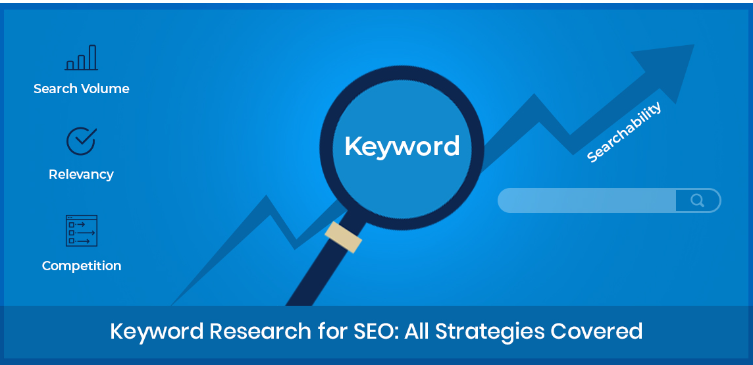
You don’t need to chase every keyword. Prioritize based on:
-
Relevance to your audience
-
Search volume
-
Competition level
-
Likelihood to convert
Create a spreadsheet or use a tool like Trello, Notion, or Airtable to organize your keyword strategy.
✅ Bonus Tips
-
Use Google’s autocomplete and People Also Ask for more keyword ideas.
-
Group related keywords together to target them in clusters.
-
Monitor trends with Google Trends—especially helpful for seasonal or news-related content.
Next Steps: Putting Keywords to Work
Once you have your list, it’s time to:
-
Integrate keywords naturally into your content
-
Use them in titles, headers, URLs, and meta descriptions
-
Focus on user experience as much as keyword density
Remember: Good SEO starts with keywords, but great SEO is built on valuable, relevant content that meets your audience’s needs.
Final Thought
Keyword research isn’t just about search engines—it’s about understanding your customers. When done right, it becomes the foundation for content, ads, and messaging that actually connects.
Start with curiosity, use the right tools, and stay focused on intent—and you’ll uncover the terms that drive both traffic and trust.


