
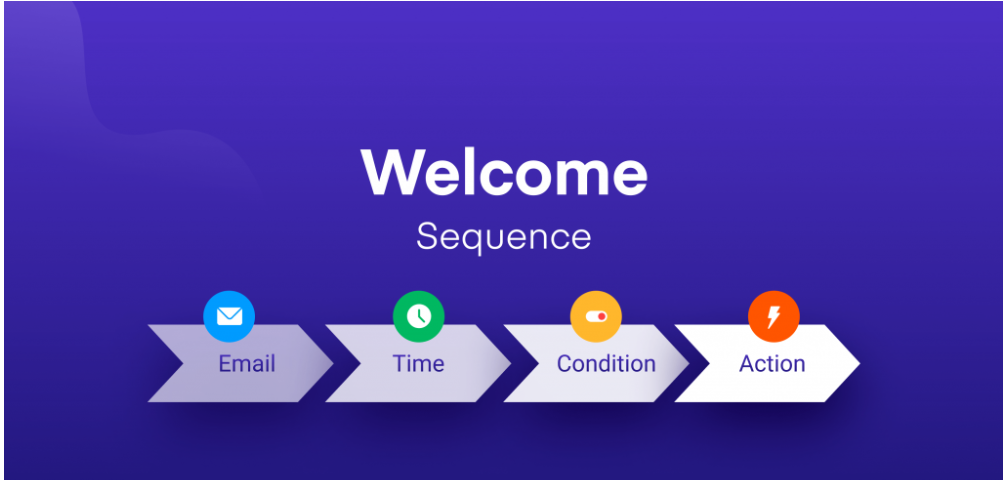
How to Set Up an Email Welcome Sequence
The first few emails you send are crucial they set the tone for your relationship, establish trust, and guide new subscribers toward action. That’s where a welcome sequence comes in.
A well-crafted email welcome sequence isn’t just about saying hello; it’s your chance to make a strong first impression and turn interest into engagement (and eventually, sales).
In this guide, you’ll learn:
-
What a welcome sequence is
-
Why it matters
-
What to include in each email
-
Best practices for creating one that actually works
Let’s build your perfect email welcome sequence step by step.
📬 What Is a Welcome Sequence?
A welcome sequence is an automated series of emails sent to new subscribers after they join your list. It usually spans 3 to 7 emails and is designed to:
-
Welcome and thank new subscribers
-
Set expectations for what’s coming
-
Share your story and values
-
Deliver promised lead magnets
-
Build trust before asking for a sale
It’s like onboarding for your email list.
🧠 Why You Need One
✅ First impressions matter — Open and click rates are highest right after someone signs up.
✅ It builds a relationship — A welcome sequence turns a cold lead into a warm, informed follower.
✅ It works 24/7 — Once set up, it nurtures every new subscriber automatically.
✅ It leads to more sales — Warm leads are more likely to buy later, especially if you’ve earned their trust early.
📧 What to Include in Your Welcome Sequence (Email by Email)
Email 1: The Warm Welcome
Timing: Immediately after signup
Goal: Deliver the lead magnet, thank them, and set expectations
-
Subject line: “Welcome! Here’s your free guide 🎉”
-
Deliver what you promised (PDF, checklist, etc.)
-
Briefly introduce yourself or your brand
-
Let them know what kind of emails they’ll receive
-
Optional: ask them to whitelist your address
✅ Pro tip: Use a personal tone — make it feel like a one-on-one message.
Email 2: The Story + Why You Exist
Timing: 1 day later
Goal: Build connection by sharing your story or mission
-
Share your “why” — why you started your brand/business
-
Show empathy for their pain points
-
Reinforce how you can help them
-
Include a soft CTA (e.g., reply and tell me your #1 challenge)
✅ Pro tip: Don’t be afraid to be vulnerable — authenticity builds trust.
Email 3: Value Bomb #1
Timing: 2–3 days later
Goal: Deliver unexpected value (before asking for anything)
-
Share a blog post, tool, or tip that solves a real problem
-
Make it specific and actionable
-
Include a CTA to check out more content or reply with feedback
✅ Pro tip: Overdeliver here — surprise them with how helpful you are.
Email 4: Social Proof + Community Invite
Timing: 4–5 days later
Goal: Build credibility and invite deeper connection
-
Share testimonials, case studies, or results from customers
-
Invite them to follow you on social media or join a community
-
Reinforce that they’re in the right place
✅ Pro tip: Use screenshots or real stories — keep it relatable, not corporate.
Email 5: Offer or Next Step
Timing: 5–7 days later
Goal: Ask for a low-friction conversion (buy, book, try, etc.)
-
Present your core product or a low-barrier offer
-
Highlight the benefit to them — not just the features
-
Include a clear CTA and possibly a time-sensitive incentive
✅ Pro tip: If they haven’t clicked before, now’s the time to gently guide them toward your goal.
🛠️ Tools to Set It Up
You can set up an automated welcome sequence using tools like:
-
Mailchimp
-
ConvertKit
-
ActiveCampaign
-
MailerLite
-
Flodesk
-
Klaviyo (great for eCommerce)
These platforms let you trigger emails based on signups, delays, clicks, and more.
📊 Welcome Sequence Best Practices
✅ Keep emails short, skimmable, and focused
✅ Use one CTA per email
✅ Space them out (don’t overwhelm)
✅ Personalize where possible (e.g., name, location, behavior)
✅ Test and optimize your subject lines and timing
🏁 Final Thoughts: Your First Impression Counts
Your welcome sequence is your digital handshake. It’s not just a nice-to-have — it’s a must-have.
When done right, it becomes a powerful engine that builds trust, nurtures leads, and sets the stage for conversions.


