
How to Set SMART Goals for Your Digital Marketing Campaigns
One of the biggest reasons digital marketing campaigns fail isn’t poor execution, it’s unclear goals. Without specific targets, it’s impossible to measure success or know what’s working.
That’s where SMART goal come in.
In this post, we’ll break down what SMART goal are, why they matter, and how you can use them to create digital marketing campaigns that actually deliver results.
What Are SMART Goal?
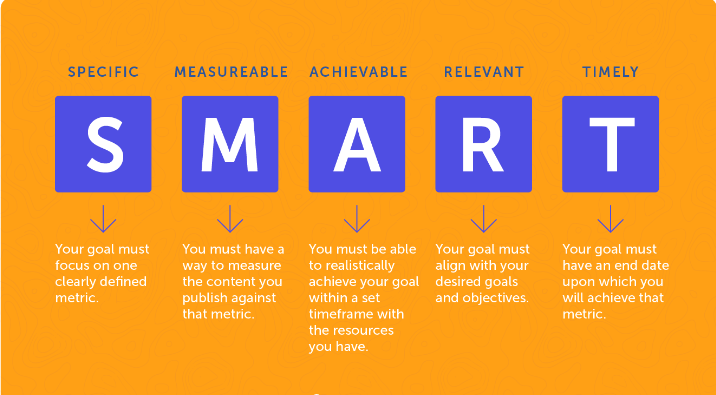
SMART is an acronym that stands for:
-
Specific – Clear and well-defined
-
Measurable – Quantifiable to track progress
-
Achievable – Realistic given your resources
-
Relevant – Aligned with your business goals
-
Time-bound – Set within a clear timeframe
This framework ensures your marketing efforts are focused, actionable, and results-driven.
Why SMART Goals Matter in Digital Marketing
Without SMART goals, you might say things like:
-
“We want more website traffic.”
-
“We want better social engagement.”
Those are intentions, not goals.
SMART goals give your campaigns direction and allow you to:
-
Measure your return on investment (ROI)
-
Stay aligned with your business objectives
-
Motivate your team with clear targets
-
Improve future campaigns through performance data
How to Set SMART Goals for Your Campaigns
Let’s walk through an example of turning a vague goal into a SMART one.
❌ Vague Goal:
“We want to grow our email list.”
✅ SMART Goal:
“We want to grow our email list by 1,000 subscribers in the next 60 days using social media lead magnets and Facebook Ads.”
Here’s how it checks out:
-
Specific: Grow the email list by 1,000 subscribers
-
Measurable: 1,000 is a concrete number
-
Achievable: Based on past performance and budget
-
Relevant: Tied to lead generation and business growth
-
Time-bound: Within 60 days
SMART Goal Examples for Different Campaign Types
🎯 SEO Campaign
-
Increase organic website traffic by 30% over the next 3 months by publishing 8 SEO-optimized blog posts and building 20 quality backlinks.
📧 Email Marketing
-
Improve email open rates from 22% to 30% within 45 days by testing subject lines and segmenting the subscriber list.
📱 Social Media Marketing
-
Gain 500 new Instagram followers and boost post engagement by 25% in 4 weeks through daily Reels and Stories.
💰 PPC Campaign
-
Achieve a conversion rate of 6% and reduce cost per acquisition (CPA) to $10 within 30 days through Google Ads A/B testing.
🛍️ E-commerce Sales Campaign
-
Generate $10,000 in online sales over Black Friday weekend through targeted email campaigns and Instagram promotions.
Tips for Setting Better SMART Goals
-
Use past data to set realistic benchmarks
-
Focus on one metric at a time to avoid confusion
-
Break large goals into smaller milestones
-
Review and adjust regularly based on performance
-
Tie each goal to a marketing channel or strategy
Final Thoughts
Setting SMART goals turns guesswork into strategy. It keeps your digital marketing campaigns focused, measurable, and aligned with your bigger business objectives.
Whether you’re running an ad campaign, growing a social following, or optimizing content for SEO, SMART goals help you work with purpose—and measure success with confidence.


