

How to Set SMART Goals for Your Content Strategy
When it comes to content marketing, simply “posting more” isn’t a strategy, it’s a shot in the dark.
If you want real, measurable results from your content efforts, increasing website traffic, generating leads, or boosting sales, you need to set clear goals. Not just any goals, but SMART goals.
In this post, we’ll break down what SMART goals are, why they matter, and how you can use them to strengthen your content strategy.
What Are SMART Goals?
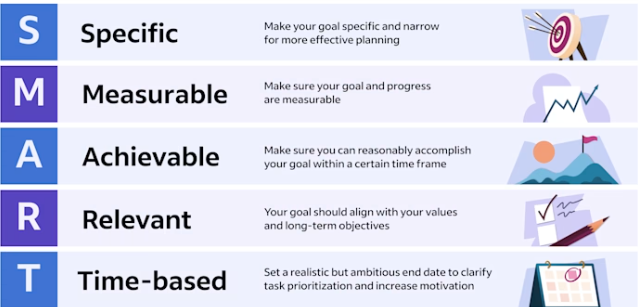
SMART is an acronym that stands for:
-
Specific
-
Achievable
-
Relevant
-
Time-bound
This framework helps you set goals that are clear, focused, and attainable—so you’re not wasting time or guessing what success looks like.
Let’s explore each part of the SMART goal structure in the context of content marketing.
1. Specific: Be Clear About What You Want to Achieve
A vague goal like “I want more traffic” is hard to act on. A specific goal focuses your energy and gives direction.
🎯 Bad goal: Get better results from blog posts
✅ SMART version: Increase traffic to blog posts by 25%
Ask yourself:
-
What exactly am I trying to achieve?
-
Who is involved?
-
What type of content will I focus on?
2. Measurable: Track Your Progress
If you can’t measure your goal, you can’t manage it. Numbers give you benchmarks to aim for and track against.
🎯 Bad goal: Grow my email list
✅ SMART version: Grow my email list by 500 new subscribers in 3 months
Tip: Use analytics tools like Google Analytics, HubSpot, or your email platform to track results.
3. Achievable: Keep It Realistic
Ambitious goals are great—but they also need to be doable. Setting goals too high can lead to burnout and disappointment.
🎯 Unrealistic goal: Get 1 million views on my new blog post this week
✅ SMART version: Get 2,000 views on my blog post within 30 days
Ask yourself:
-
Do I have the time and resources to hit this goal?
-
What has been realistic for me in the past?
4. Relevant: Align With Bigger Business Objectives
Your content goals should tie directly into your overall marketing or business goals. Otherwise, you may end up producing content that doesn’t move the needle.
🎯 Bad goal: Post 10 times on Instagram per week (without a purpose)
✅ SMART version: Post 3 educational Instagram Reels per week to drive traffic to my lead magnet
Ask yourself:
-
Does this goal support my overall business growth?
-
Will it help me reach the right audience?
5. Time-bound: Set a Deadline
Deadlines create urgency and focus. A goal without a time frame is just a dream.
🎯 Bad goal: Create more video content
✅ SMART version: Publish 4 new product demo videos by the end of Q3
Ask yourself:
-
When will I reach this goal?
-
What milestones should I hit along the way?
Example SMART Content Marketing Goals
Need inspiration? Here are some examples of SMART goals in action:
-
✅ Increase blog traffic by 30% over the next 90 days
-
✅ Gain 1,000 new Instagram followers in 60 days by posting daily value-driven content
-
✅ Convert 10% of blog readers into email subscribers using a gated lead magnet
-
✅ Publish 2 SEO-optimized blog posts per week for the next 6 months to improve Google ranking
-
✅ Generate 50 leads per month through content downloads by the end of the quarter
Final Thoughts
Setting SMART goals turns content marketing from a guessing game into a strategy with focus, clarity, and purpose. It helps you stay on track, measure success, and prove the value of your efforts to your team—or yourself.


