

A/B Testing Social Media Ads: What to Test & Why
If you’re investing in social media advertising, but guessing which ads will work best, you’re leaving money on the table. Enter A/B testing: your secret weapon for smarter, more profitable ad campaigns.
In this post, we’ll break down what A/B testing is, why it’s crucial for social media ads, and exactly what elements you should test to drive better results.
What Is A/B Testing for Social Media Ads?
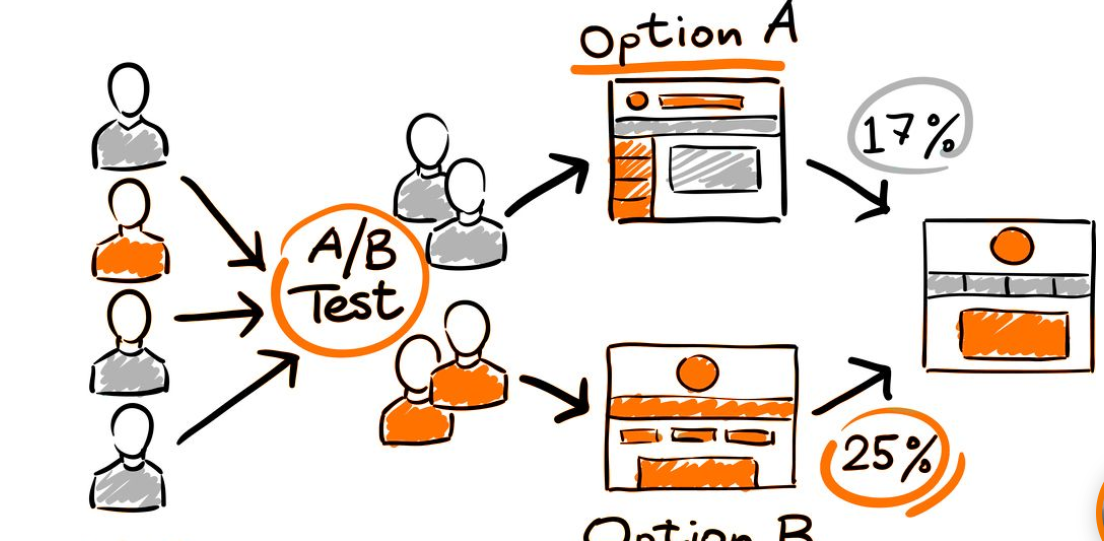
A/B testing (also known as split testing) is a method where you run two or more variations of an ad to see which one performs better. You keep everything else constant, targeting, budget, timing, and change just one element to isolate its effect.
Think of it as the scientific method for marketers: test, measure, optimize, repeat.
Why A/B Testing Matters
Here’s why you should build A/B testing into your ad strategy:
-
Take the guesswork out of creative decisions
-
Improve ROI by identifying what resonates with your audience
-
Prevent ad fatigue with fresh, tested variations
-
Optimize faster instead of wasting budget on underperforming ads
-
Learn what your audience actually wants
No more “I think this will work.” With A/B testing, you know what works.
What You Should Test (and Why)
Let’s break down the elements worth testing in your social media ads:
1. Headlines
✅ Why it matters: It’s the first thing people read. If it doesn’t hook them, they’ll scroll.
🔁 Test ideas:
-
Question vs. statement: “Want Clearer Skin?” vs. “Clearer Skin in 30 Days”
-
Direct vs. benefit-led: “Shop Now” vs. “Save 25% Today”
-
Urgency: “Only 12 Hours Left!”
2. Ad Copy
✅ Why it matters: The message sells. Strong copy drives clicks and conversions.
Test ideas:
-
Short vs. long copy
-
Emotional vs. logical appeal
-
Bullet points vs. paragraphs
-
Storytelling format vs. product pitch
3. Visuals (Images or Videos)
✅ Why it matters: Your visual is what stops the scroll. It must grab attention.
Test ideas:
-
Product photo vs. lifestyle photo
-
Static image vs. video
-
Branded colors vs. user-generated content
-
Text overlay vs. no text
4. Call-to-Action (CTA)
✅ Why it matters: Your CTA directs people on what to do next — don’t leave it vague.
Test ideas:
-
“Shop Now” vs. “Learn More” vs. “Claim Your Discount”
-
Button color or placement (for landing page A/B testing)
-
First-person vs. second-person: “Get My Free Guide” vs. “Download Your Free Guide”
5. Ad Format
✅ Why it matters: Different formats perform differently depending on your audience and objective.
Test ideas:
-
Single image vs. carousel
-
Video vs. slideshow
-
Stories vs. feed ads
-
Reels vs. static posts (Instagram)
6. Audience Targeting
✅ Why it matters: Even the best ad won’t perform if it’s shown to the wrong people.
Test ideas:
-
Lookalike audience vs. interest-based
-
Retargeting visitors vs. new cold traffic
-
Age, location, or device segmentation
Pro tip: Test one targeting variable at a time, or use campaign budget optimization (CBO) to let platforms decide winners.
7. Timing & Placement
✅ Why it matters: When and where your ad shows up can influence results.
Test ideas:
-
Time of day (morning vs. evening)
-
Day of week
-
Instagram feed vs. Stories vs. Reels
-
Facebook desktop vs. mobile placement
How to Run an Effective A/B Test
-
Choose one variable to test at a time.
-
Keep other elements constant for accurate results.
-
Use a large enough audience to get statistically significant data.
-
Let the test run for at least 3–7 days before making conclusions.
-
Analyze results using metrics like CTR, conversion rate, CPC, and ROAS.
Tools That Can Help
-
Meta Ads Manager (Facebook/Instagram): Built-in A/B testing tool
-
LinkedIn Campaign Manager: Offers variation testing
-
TikTok Ads Manager: Manual A/B testing by duplicating campaigns
-
Google Optimize (for landing pages)
-
Third-party tools like AdEspresso, Optimizely, or Unbounce
Final Thoughts: Test Smarter, Not Harder
A/B testing isn’t just for big brands with big budgets. Whether you’re a small business owner or an agency pro, it’s the most efficient way to learn what works and amplify success.


