

A/B Testing for E-Commerce: What to Test and Why
In e-commerce, small tweaks can mean big money. That’s where A/B testing comes in, a data-driven method to improve your site’s performance, one experiment at a time.
Whether you’re trying to increase conversion rates, reduce bounce, or boost average order value, A/B testing can help you make decisions based on real user behavior, not guesses.
Here’s how to approach it, what to test, and why it matters.
What Is A/B Testing?
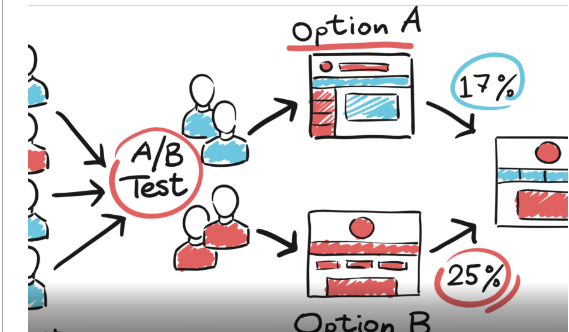
A/B testing (also known as split testing) is the process of comparing two versions of a web page, email, or element A (control) and B (variation) to see which performs better.
Users are randomly split into groups, and their behavior is tracked to measure which version drives more conversions, clicks, or engagement.
In e-commerce, this can be a game changer.
Why A/B Testing Matters for E-Commerce
E-commerce sites rely on incremental improvements to optimize sales. A/B testing allows you to:
-
Increase conversion rates without spending more on traffic
-
Improve user experience by reducing friction
-
Validate design or copy changes before a full rollout
-
Make informed decisions backed by data
-
Test pricing, shipping offers, or urgency tactics
It’s the digital equivalent of sharpening your store layout every day until it’s irresistible.
What to Test: High-Impact E-Commerce Elements
Not sure where to start? Focus on elements that directly affect buying behavior:
1. Product Page Layout
-
Test: Image size and placement, number of images, video vs. no video, sticky “Add to Cart” buttons
-
Why: This page is where purchase intent turns into action
2. Call-to-Action (CTA) Buttons
-
Test: Button color, size, placement, wording (e.g., “Buy Now” vs. “Add to Cart”)
-
Why: Even tiny changes to CTA buttons can dramatically impact clicks
3. Headline or Product Titles
-
Test: Descriptive vs. emotional titles, including benefits or features
-
Why: First impressions count titles help users understand the product instantly
4. Pricing Displays
-
Test: Price with or without comparison (e.g., “$39.99” vs. “$39.99
$49.99”), price location, or pricing tiers -
Why: Pricing perception can influence urgency and trust
5. Shipping Information
-
Test: Showing free shipping prominently vs. only at checkout
-
Why: Unexpected shipping costs are a top reason for cart abandonment
6. Trust Badges & Reviews
-
Test: Adding trust icons (SSL, return policy), positioning of customer reviews
-
Why: Social proof and security signals reduce buyer hesitation
7. Checkout Page Elements
-
Test: Guest checkout vs. required account creation, single-page vs. multi-step, progress bars
-
Why: Checkout friction is a major conversion killer
8. Email Subject Lines & Product Recommendations
-
Test: Personalization, urgency, discount language
-
Why: Your email campaigns can bring back lost revenue—optimize every element
9. Homepage Layout
-
Test: Above-the-fold design, featured products vs. collections, navigation layout
-
Why: Your homepage sets the tone and guides users into the funnel
How to Run an A/B Test the Right Way
-
Set a clear goal
Example: “Increase conversions on the product page by 10%.” -
Choose one variable at a time
Keep your test focused so you can attribute changes correctly. -
Use the right tool
Try: Google Optimize (sunsetting soon), VWO, Optimizely, Convert, or Shopify A/B testing apps. -
Let it run long enough
Aim for statistical significance. Don’t end a test too early—you need reliable data. -
Analyze & apply
Once you have a winner, roll it out across your site and move to the next test.
Common A/B Testing Mistakes to Avoid
-
Testing too many variables at once
-
Calling results too early
-
Not segmenting by device or audience
-
Ignoring external factors (like seasonality or promotions)
-
Relying on tools without a clear strategy
Final Thoughts: Always Be Testing
In e-commerce, optimization never ends. A/B testing empowers you to evolve based on what your customers are telling you through their actions.
Start with high-traffic pages, focus on meaningful changes, and test continuously.
Because in the world of online retail, the better you understand your shoppers, the better you sell to them.


