
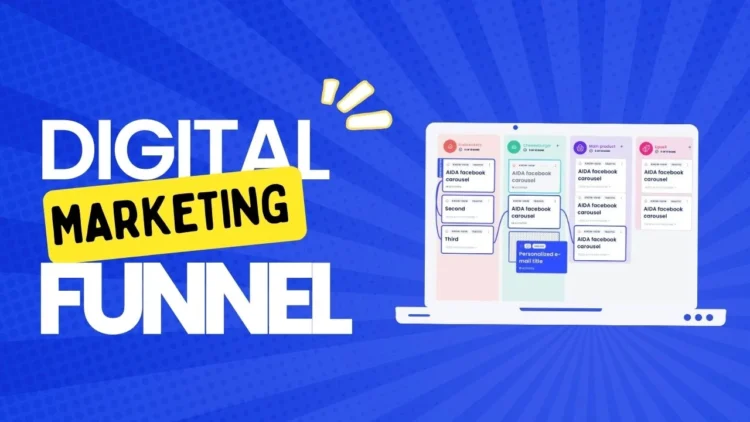
Understanding the Digital Marketing Funnel: A Comprehensive Overview
The digital marketing funnel is a strategic model that represents the customer journey, from the first interaction with a brand to the ultimate goal of conversion. By understanding this funnel, businesses can create targeted campaigns that guide potential customers through each stage, maximizing engagement and driving sales. Here’s a comprehensive overview of the digital marketing funnel and how you can optimize it for your business.
Recommended Course: Ultimate Digital Marketing Guide
What is the Digital Marketing Funnel?
The digital marketing funnel is a framework that outlines the stages a customer goes through before making a purchase. It helps marketers visualize and optimize the buyer’s journey. While there are variations, the most common stages include:
- Awareness
- Interest
- Consideration
- Conversion
- Retention
- Advocacy
Stages of the Digital Marketing Funnel
1. Awareness
- Objective: Introduce your brand to potential customers.
- Strategies: Use content marketing, social media, search engine optimization (SEO), and paid ads to reach a broader audience.
- Examples: Blog posts, viral videos, social media campaigns, and display ads.
2. Interest
- Objective: Engage your audience and spark their curiosity.
- Strategies: Offer valuable content like eBooks, webinars, and email newsletters that address their pain points.
- Examples: Lead magnets, educational blog posts, and engaging email sequences.
3. Consideration
- Objective: Nurture leads by showcasing your product or service as a solution.
- Strategies: Use testimonials, case studies, and product comparisons to build trust.
- Examples: Demo videos, customer reviews, and personalized email campaigns.
4. Conversion
- Objective: Turn leads into paying customers.
- Strategies: Provide compelling calls-to-action (CTAs), limited-time offers, and seamless checkout experiences.
- Examples: Discount codes, free trials, and well-designed landing pages.
5. Retention
- Objective: Keep customers engaged and loyal to your brand.
- Strategies: Offer excellent customer service, loyalty programs, and regular communication.
- Examples: Personalized follow-up emails, exclusive discounts, and customer surveys.
6. Advocacy
- Objective: Transform loyal customers into brand ambassadors.
- Strategies: Encourage reviews, referrals, and user-generated content.
- Examples: Referral programs, social media shoutouts, and testimonial requests.
Why is the Digital Marketing Funnel Important?
- Improves Customer Understanding: Identifying where potential customers are in the funnel helps tailor your messaging to their specific needs.
- Optimizes Marketing Efforts: By targeting specific stages, you can allocate resources more effectively.
- Increases ROI: A well-optimized funnel ensures you’re maximizing conversions and minimizing wasted efforts.
- Builds Long-Term Relationships: Focus on retention and advocacy to create loyal customers who champion your brand.
Recommended Course: Ultimate Digital Marketing Guide
Tips for Optimizing Your Digital Marketing Funnel
- Leverage Data Analytics: Use tools like Google Analytics and CRM systems to track customer behavior and identify areas for improvement.
- Personalize the Experience: Tailor your content and offers to individual preferences for greater impact.
- Streamline the Process: Reduce friction at each stage by simplifying navigation, checkout, and communication.
- Test and Refine: Regularly A/B test your campaigns to determine what resonates best with your audience.
- Focus on Mobile Users: Ensure your website and campaigns are optimized for mobile devices.
Conclusion
Understanding and implementing the digital marketing funnel is crucial for guiding potential customers through their journey with your brand. By focusing on each stage—from awareness to advocacy—you can create a seamless experience that not only drives conversions but also builds lasting relationships. Start analyzing your funnel today and unlock the full potential of your digital marketing strategy!


